
What Is Harissa? Types, Uses, and How to Cook with It
Harissa paste is a spicy North African chile paste made from dried red chiles, garlic, spices, and olive oil. The flavor is bold and complex. It adds flavor to everything from vegetables and grains to marinades and salad dressings.

I first discovered harissa about ten years ago. It was love at first bite. Since then, I’ve tried many versions, made it from scratch, and learned different ways to use it. I will share with you everything I have learned about harissa, including what harissa is, the most common types, how to make it and recipes.
What is Harissa?
The first thing you will notice about harissa is its deep red color. But more important is the flavor, a balanced mix of sweet, heat, and earthy spices. There are many different varieties, but one thing is common — the flavor is always layered and complex.
Harissa can be traced back to the Maghreb region in Northwest Africa. In particular, the country now known as Tunisia is where harissa is considered a national treasure. Tunisian versions tend to be the spiciest, while Moroccan harissa might include rose petals or preserved lemon. The Libyan versions sometimes incorporate tomatoes for a sweeter profile. We will get into this in the next section.
The word Harissa is pronounced huh-REE-suh with the stress on the second syllable (“REE”). In Arabic, the word harissa means to pound, as in to pound ingredients together. This leaves harissa open to many variations beyond the typical red paste.
I think of harissa as similar to salsa. There is the familiar tomato-based type of salsa. Beyond that, there are different variations, including fruit salsa (try my mango pineapple salsa!). It is similar to harissa. There is the most popular red Moroccan version. But beyond that, there are several different versions, and they can vary widely. Below, I have broken out the most popular versions.
Harissa Types
Tunisian Harissa
Tunisia is the O.G. of harissa, where it all began. I love that it is simple and spicy! Tunisian harissa is the simplest of all the versions. Because it is made with dried red chile peppers, garlic, caraway seeds, coriander seeds, and salt, it has a loose texture. All these ingredients are traditionally ground together using a mortar and pestle. This blend creates a simple, straightforward chile flavor.
Moroccan Harissa Paste
Moroccan harissa paste is the most popular version. I love the rich, smoky, and complex flavor. If you see harissa paste, most often it’s the Moroccan style. You can sometimes find it in mild or spicy. I prefer to make Moroccan harissa paste at home.
Libyan Harissa
Libyan harissa has a more liquid consistency than the other versions. I think of it as a hot sauce instead of a paste. And, most importantly, it is loaded with garlic! (YUMMMMMM).
Rose Harissa
Rose harissa is a variation of Moroccan harissa paste. The rose is added to give it a slightly milder and more aromatic flavor. If you have extra rose water, try making rose water lemonade. It is soooo good!
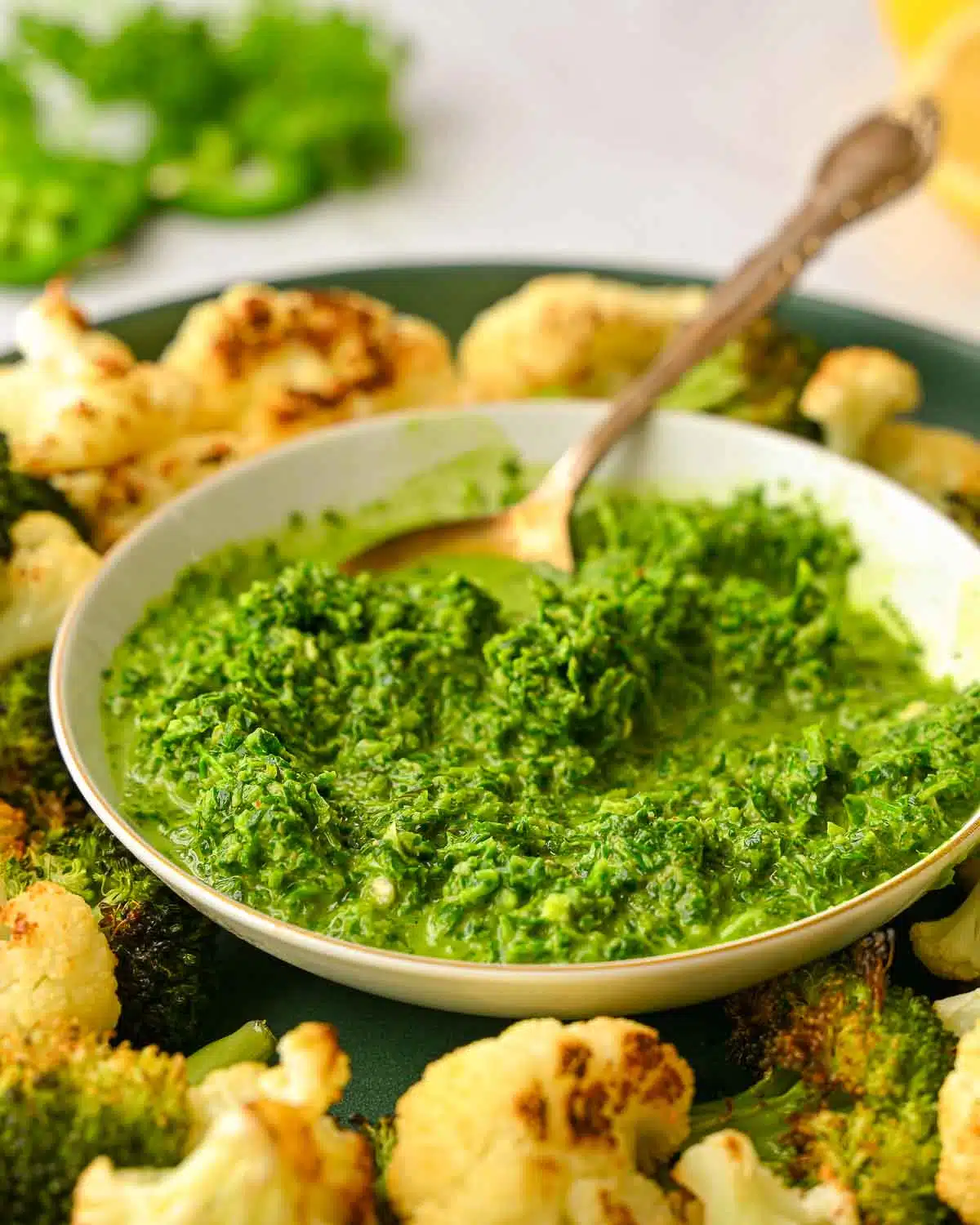
Green Harissa
Green harissa shows how versatile harissa can be. It’s packed with cilantro and parsley for a fresh, herbaceous flavor. Instead of red chiles, this recipe uses jalapeños. If you want something spicier, you can add more chiles or try Yemeni zhug. It is much spicier and uses similar ingredients.
Harissa Forms
Harissa Paste
Typically harissa is commonly though of as a paste. But, that really depends on the type of harissa. Moroccan is the most popular and it is also the thickest, which is perfect for spreading. This is my favorite form of harissa. I use it for many things, including on sandwiches in place of mayo, mustard, etc.
Harissa Sauce
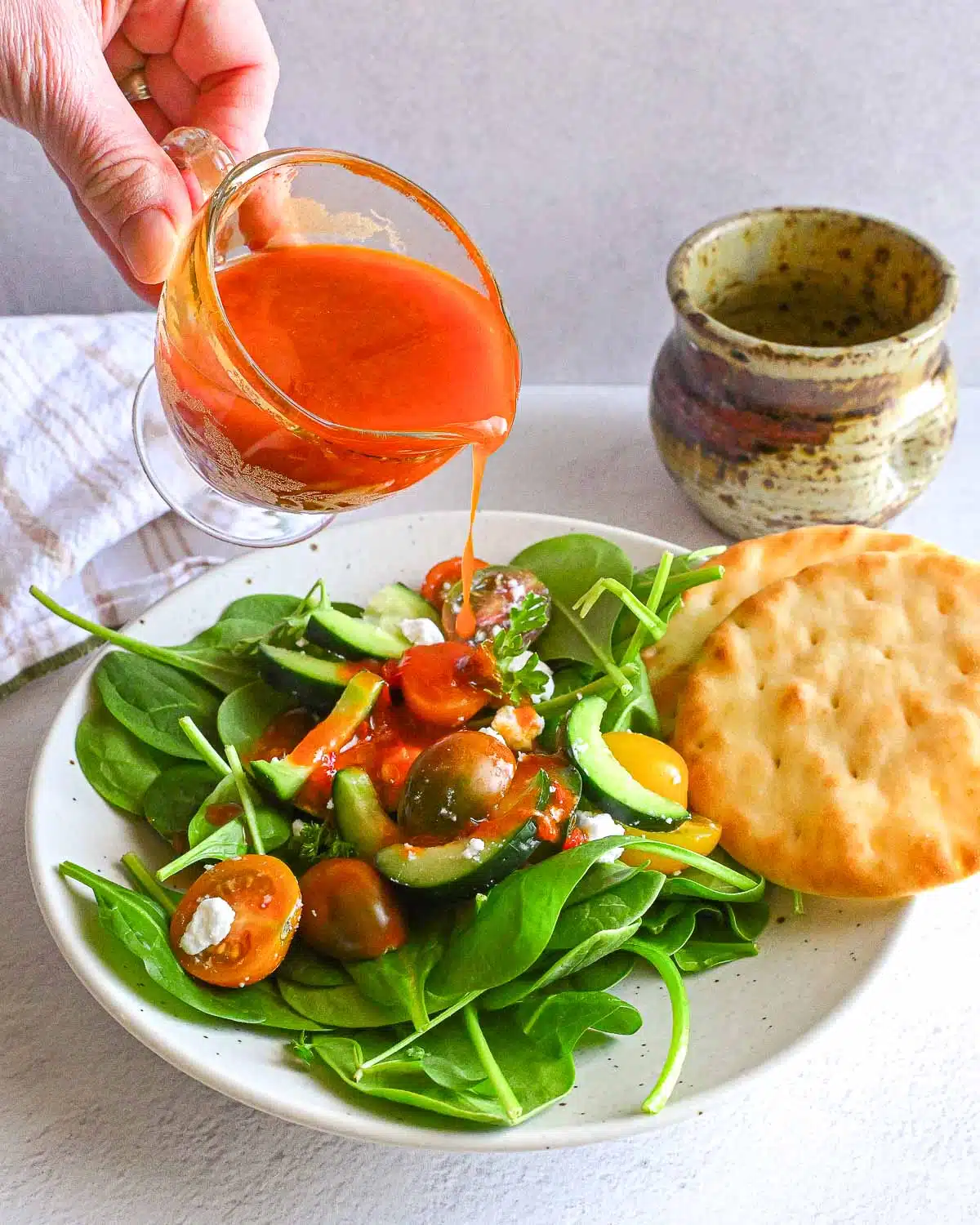
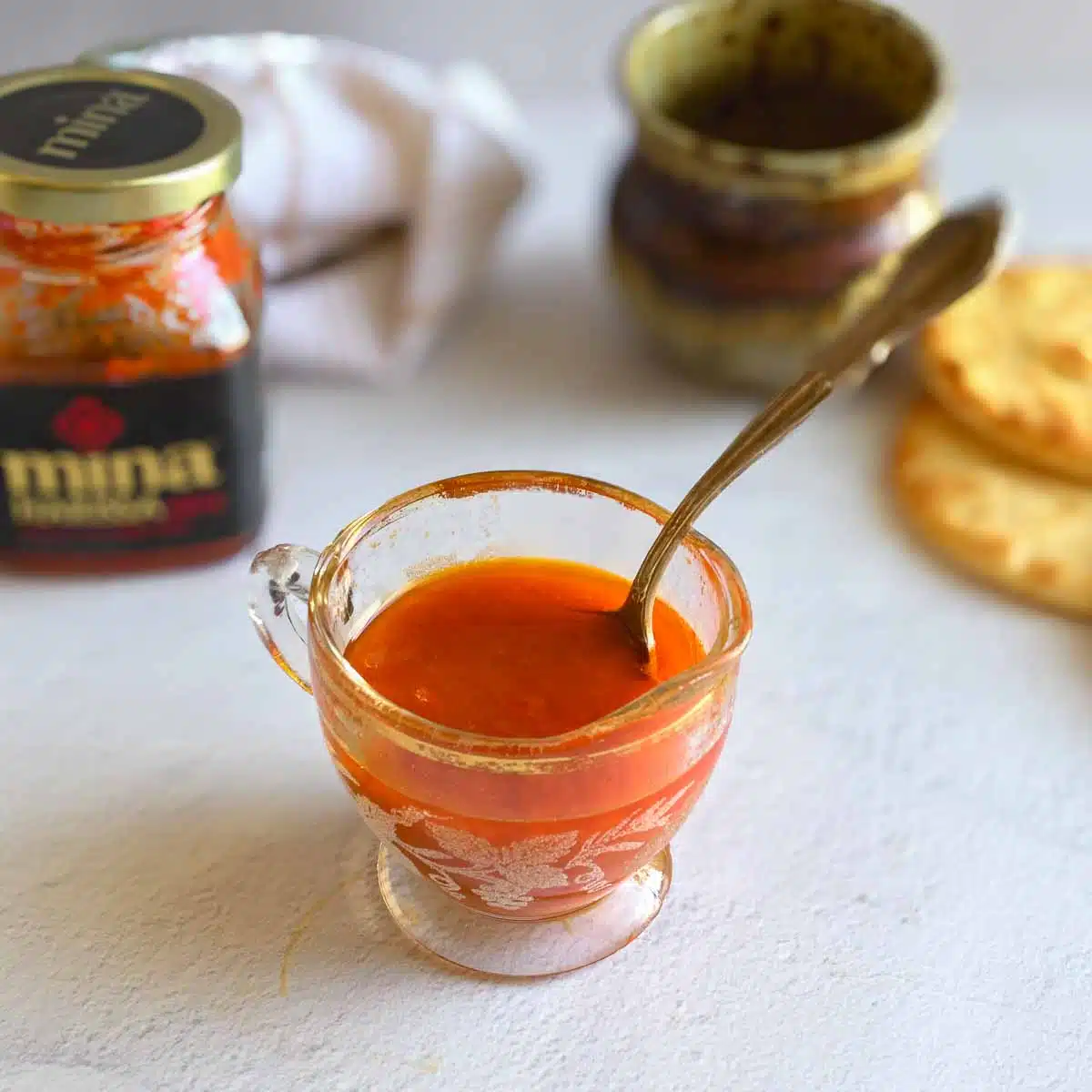
Harissa sauce is paste that has been thinned with oil, water, or sometimes tomato sauce. It is usually milder in spice, but not always. I recommend using harissa sauce for salad dressings, drizzling over veggies or on top of eggs.
Harissa Powder
Harissa has always been a paste, but you can also find harissa powder in the spice section. The powder is simply spices mixed together. I find it is more like a Middle Eastern spice blend, and it’s missing the bold depth of harissa paste.
Harissa Alternative
If you’re cooking and find you don’t have harissa, don’t worry! There are many great harissa substitutes. My favorite is gochujang. But that might not be an ingredient you have or like. I also have a whole post on the five best harissa substitutes. I am sure you will find the perfect alternative for your recipe!

How to Use Harissa For…
Breakfast
If you are someone who loves Tabasco or salad with your eggs and omelets, you are going to love harissa! To try it with eggs, I recommend using the Tunisian or Algerian style. It is closer to hot sauce and easier to drizzle. If you are making an omelet, add the Moroccan version to the top the way you would with salsa. It can be spicy, so start light.
Dips
When blended with other ingredients, harissa makes a perfect dip! The reason I blend it is to give it a creamy texture, which makes it easy to dip! Sometimes I blend it into hummus to make a spicy hummus. I also make a harissa tahini sauce a copycat of True Food’s appetizer. If you have not tried it, I suggest you do! Then you will understand why this dish is on their permanent menu as an appetizer!

Marinades
One of my favorite uses of harissa is to marinate tofu in it. This creates flavorful tofu! You can also marinate it in seafood or chicken. As a vegan, I have not tried that, but I imagine it would taste amazing!
Salad Dressings
I like to add harissa to a salad dressing to give it a kick! To make a harissa vinaigrette, mix the harissa paste with olive oil, vinegar, and lemon. It takes a good salad to a great salad!
Sandwiches
If you spread bread or pita with harissa and then layer on veggies, you are in for a big, flavorful treat!
Vegetables
Another way I enjoy harissa is to toss it with vegetables and oven-roast them. My personal favorite is harissa carrots. The combination of sweet and spicy is irresistible!

Hot Honey
We all know about the hot honey trend, right? It is where chilies are added to honey and simmered. The result is a mix of flavors that reminds me of cinnamon candy. To make harissa honey, substitute the chiles with Tunisian harissa (this type blends best). If you want a vegan honey, try my honee recipe. Once the honee is simmered and almost done, add harissa and let it stand for five minutes.
Harissa Recipes
- Moroccan Harissa Paste
- North African Harissa Sauce
- Harissa Carrots
- Harissa Vineagrette
- Tahini Harissa Dip (True Foods Cauliflower Appetizer Copycat Recipe)
- 5 Best Harissa Substitutes
Where to Buy Harissa
Depending on where you live and which stores you frequent, harissa can be easy or hard to find. The good news, it’s always available online. Here are a few of my tips.
Stores That Sell Harissa
- Sprouts
- Target
- Trader Joe’s
- Whole Foods
- World Market International
- Middle Eastern and Northern African markets
Common Brands
Mina – This is the easiest to find harissa brand. Mina Moroccan red pepper sauce is almost always in stock at Target. There are three popular types of Mina harissa:
- Harissa Mild – Moroccan Red Pepper Sauce
- Harissa Spicy – Moroccan Red Pepper Sauce
- Green Harissa – Moroccan Green Pepper Sauce
Trader Joe’s almost always has Tunisian harissa in stock.